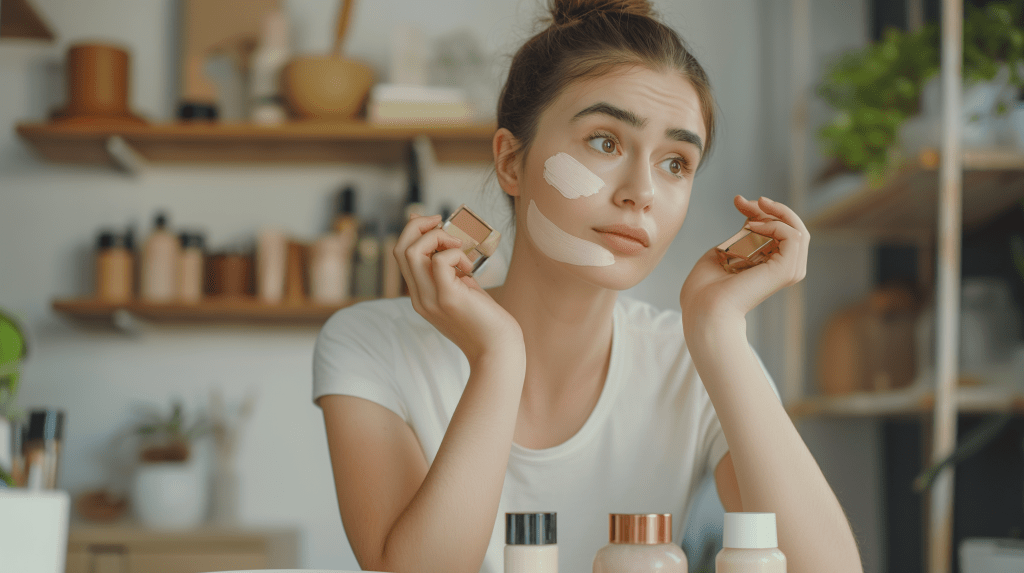
Choosing the right foundation can feel like searching for a needle in a haystack. With endless formulas, finishes, and shades on the market, it’s easy to feel overwhelmed. But don’t worry—we’re here to simplify the process and help you find your perfect match.
In this guide, we’ll break down everything you need to know about foundation, from understanding your skin type to picking the right shade and finish for a flawless, natural look.
💡 Why Choosing the Right Foundation Matters
Foundation is the base of your makeup routine. A perfect match will even out your skin tone, enhance your complexion, and provide a smooth canvas for the rest of your makeup. The wrong formula, however, can emphasize dry patches, make you look oily, or leave a noticeable line between your jaw and neck.
🔍 Step 1: Identify Your Skin Type
Your skin type is the most important factor when choosing a foundation. Here’s how to determine yours and what to look for:
✅ Oily Skin
- Characteristics: Shiny T-zone, enlarged pores, frequent breakouts.
- Best Foundations: Matte, oil-free, powder, or long-wear foundations.
- Look For: Keywords like “mattifying,” “oil control,” or “shine-free.”
✅ Dry Skin
- Characteristics: Flaky patches, tightness, dull appearance.
- Best Foundations: Hydrating, dewy, or cream-based foundations.
- Look For: Words like “moisturizing,” “glow,” or “hydrating.”
✅ Combination Skin
- Characteristics: Oily in the T-zone, dry elsewhere.
- Best Foundations: Balancing formulas—semi-matte or satin finish.
- Pro Tip: Consider using different formulas for different areas.
✅ Normal Skin
- Characteristics: Even texture, balanced moisture.
- Best Foundations: Almost any formula! Choose based on your preferred finish.
✅ Sensitive Skin
- Characteristics: Easily irritated, prone to redness.
- Best Foundations: Hypoallergenic, fragrance-free, mineral foundations.
- Avoid: Heavy fragrances, alcohol-based formulas.
🎨 Step 2: Choose the Right Shade
Choosing the wrong shade is a common mistake—but avoidable with these tips:
🔸 Know Your Undertone
If it is hard for your to find your foundation shade, it is probably because you don’t know your undertone.
- Cool undertones: Pink, red, or bluish hues.
- Warm undertones: Golden, yellow, or peachy hues.
- Neutral undertones: A mix of both.
Tip: Check the veins on your wrist. If they look blue, you’re cool-toned; green veins usually indicate warm tones.
🔸 Test Before You Buy
Always swatch foundation along your jawline—not your hand or wrist! The right shade should disappear into your skin without much blending.
If a foundation looks too orange on your, it is likely because it is too warm for you. Instead, if it looks too grayish, it means that it is too cool toned for you.
Another great tip I would like to give you is using the website https://colorwise.me/ to determine your colour palette. It will make you understand what is your undertone.
🔸 Jewellery hack
You can check what is your undertone also by the colour of the jewellery you wear.
Gold fits with warm undertones, Silver with cold and if you fit with both colours, it means you’re neutral.
✨ Step 3: Pick Your Desired Finish
The finish of a foundation determines the final look of your skin.
- Matte: Great for oily skin or hot climates; controls shine.
- Dewy/Glowy: Ideal for dry or dull skin; provides a fresh, luminous look.
- Satin/Natural: Best for combination or normal skin; mimics natural skin texture.
💧 Step 4: Choose the Right Coverage
How much coverage do you need?
- Sheer Coverage: Evens out skin without hiding freckles or imperfections. Great for daily wear.
- Medium Coverage: Conceals uneven tone and minor blemishes.
- Full Coverage: Covers discoloration, acne scars, or redness. Perfect for special occasions.
🧴 Step 5: Decide on the Formula
Each formula offers different benefits:
| Foundation Type | Best For | Texture |
|---|---|---|
| Liquid | Most skin types | Versatile, blendable |
| Powder | Oily skin | Lightweight, matte |
| Cream | Dry to normal skin | Rich, hydrating |
| Stick | On-the-go, touch-ups | Thick, full-coverage |
| Serum/Tinted Moisturizer | Sensitive or natural look | Light, breathable |
🧪 Step 6: Patch Test and Observe
Once you’ve narrowed down your options:
- Apply a small amount to your jawline or cheek.
- Check how it looks in natural light.
- Wait a few hours—observe how it wears, especially with oil control or hydration.
✅ Bonus Tips for a Flawless Application
- Always prep your skin with a moisturizer or primer suited to your skin type.
- Use tools like sponges, brushes, or fingers based on the finish you want.
- Set with a translucent powder (for oily skin) or setting spray (for dry skin).
📌 Final Thoughts: Your Perfect Match is Out There
Choosing the perfect foundation is all about understanding your unique skin needs and preferences. Don’t be afraid to experiment—and remember, your skin can change with seasons, hormones, and skincare, so be flexible.
Still not sure where to start? Visit your favorite beauty store and ask for samples. Foundation is personal, and with a little effort, you’ll find the one that makes your skin look and feel its best.





 Olive skin tips
Leave a comment