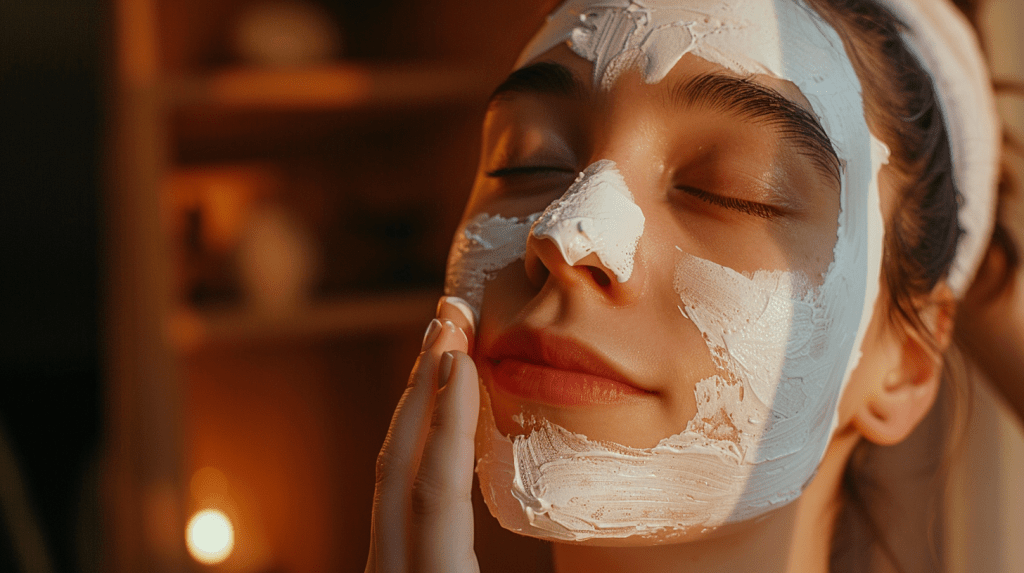
White clay, also known as kaolin clay, is a natural skincare remedy known for its gentle cleansing and soothing properties. It’s especially suitable for sensitive, oily, or acne-prone skin. In this guide, you’ll learn the meaning, purpose, preparation, and application of a white clay face mask, including tips for both tightening and deep-cleansing treatments.

What Is a White Clay Mask?
A white clay mask is a natural skincare product applied to the face in either a thin or thick layer, depending on your skin’s needs. When used correctly, it helps to:
- Tighten pores and tone the skin
- Absorb excess oil
- Remove impurities and toxins
- Soothe inflammation and redness
- Treat acne, blackheads, and clogged pores
How to Use White Clay Mask
There are two main ways to use a white clay mask, depending on your skincare goal:
1. For Skin Tightening
If your goal is firmer, toned skin:
- Apply a thin layer of white clay mixed with hot water.
- Leave the mask on for no more than 15 minutes.
- Let the clay dry naturally to achieve a tightening effect.
⚠️ Tip: Do not let the mask over-dry, as this can irritate the skin.
2. For Acne, Clogged Pores & Blackheads
If you’re dealing with pimples or congested skin:
- Apply a thick layer of clay and add a few drops of liquid paraffin to prevent full drying.
- Leave it on for 20 minutes.
- Best applied in the evening, allowing any redness to subside overnight.
How to Prepare a White Clay Mask
To safely and effectively prepare your clay mask:
- Use hot water to mix the clay until you get a creamy consistency.
- Avoid using glass containers, as they may crack. Instead, use a porcelain bowl.
- Gather your tools:
- Triangular cloth or cotton pads
- Mask brush or spatula
- Terry towel for drying
- Test the temperature on the back of your hand before applying.
✅ Pro Tip: Avoid the delicate skin around the eyes. If you experience tension in this area, next time place cotton pads soaked in pine water over your closed eyelids during the treatment.
Application and Removal Tips
Applying the Mask
- Use a brush or spatula to apply the mask evenly, based on your intended effect.
- Keep the eye area clean and protected.
- Relax during the exposure time (15–20 minutes).
Removing the Mask
- Use a soft sponge, wet cotton pads, or compress towels to gently remove the clay.
- If the mask has hardened, soften it first with warm compresses.
- Never scrape off dried clay — this can damage your skin.
Aftercare
Finish your treatment with:
- Two cold compresses to calm the skin and tighten pores.
- Follow up with a gentle moisturizer or soothing serum.
Final Thoughts
The white clay mask is a versatile skincare solution that adapts to different skin types and goals. Whether you’re aiming for a fresh, tightened look or deep pore cleansing, following the right preparation and application methods ensures maximum benefit with minimal irritation.

Is White Clay Good for Olive Skin?
Yes, white clay is excellent for olive skin, thanks to its gentle yet effective properties. Olive skin (typically Fitzpatrick types III–V) tends to have more melanin, which makes it more resistant to sun damage but also more prone to:
- Hyperpigmentation
- Post-inflammatory marks (especially from acne)
- Uneven skin tone
- Excess oil or combination skin characteristics
Benefits of White Clay for Olive Skin:
1. Gentle Detox Without Over-Drying
Olive skin can react to harsh ingredients with irritation or dark spots. White clay is one of the mildest clays, making it perfect for deep cleansing without stripping natural oils.
2. Balances Oil and Prevents Breakouts
Olive skin often produces more sebum, especially in the T-zone. White clay helps absorb excess oil and unclog pores while being soft enough not to trigger sensitivity.
3. Supports Even Skin Tone
Because it reduces inflammation and clears out impurities, white clay can help fade post-acne marks and prevent new pigmentation caused by irritation — a common concern for olive-toned skin.
4. Boosts Radiance
Olive skin can sometimes appear dull due to dead skin buildup or pollution. Regular white clay masks can gently exfoliate, improving skin texture and enhancing your skin’s natural glow.
Looking to customize your skincare routine? 🌿 Check out our DIY clay mask recipes for every skin type — from brightening blends to deep-cleansing treatments. Discover how to mix white clay with natural ingredients like honey, aloe vera, or essential oils for maximum results.


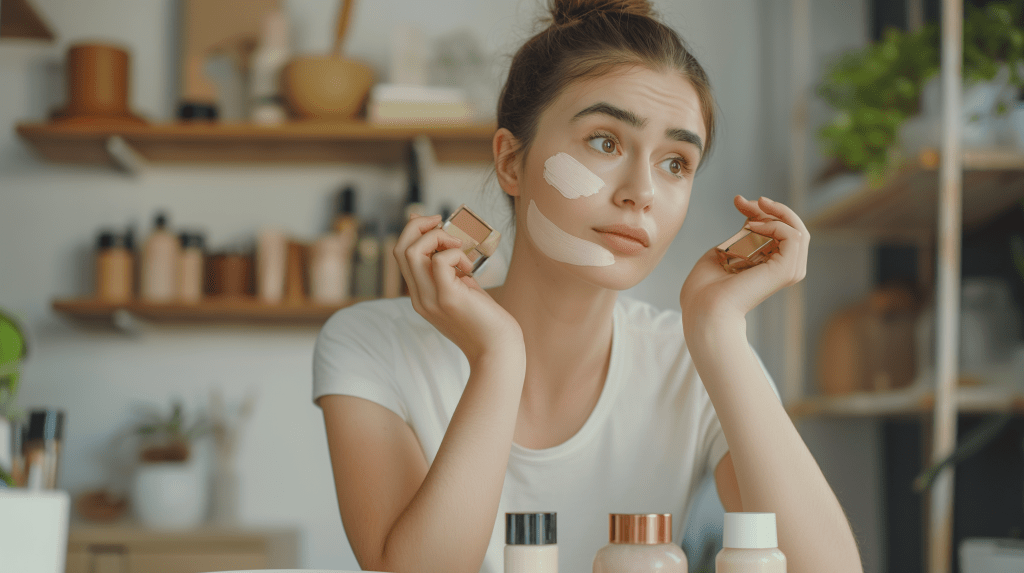


 Olive skin tips
Leave a comment